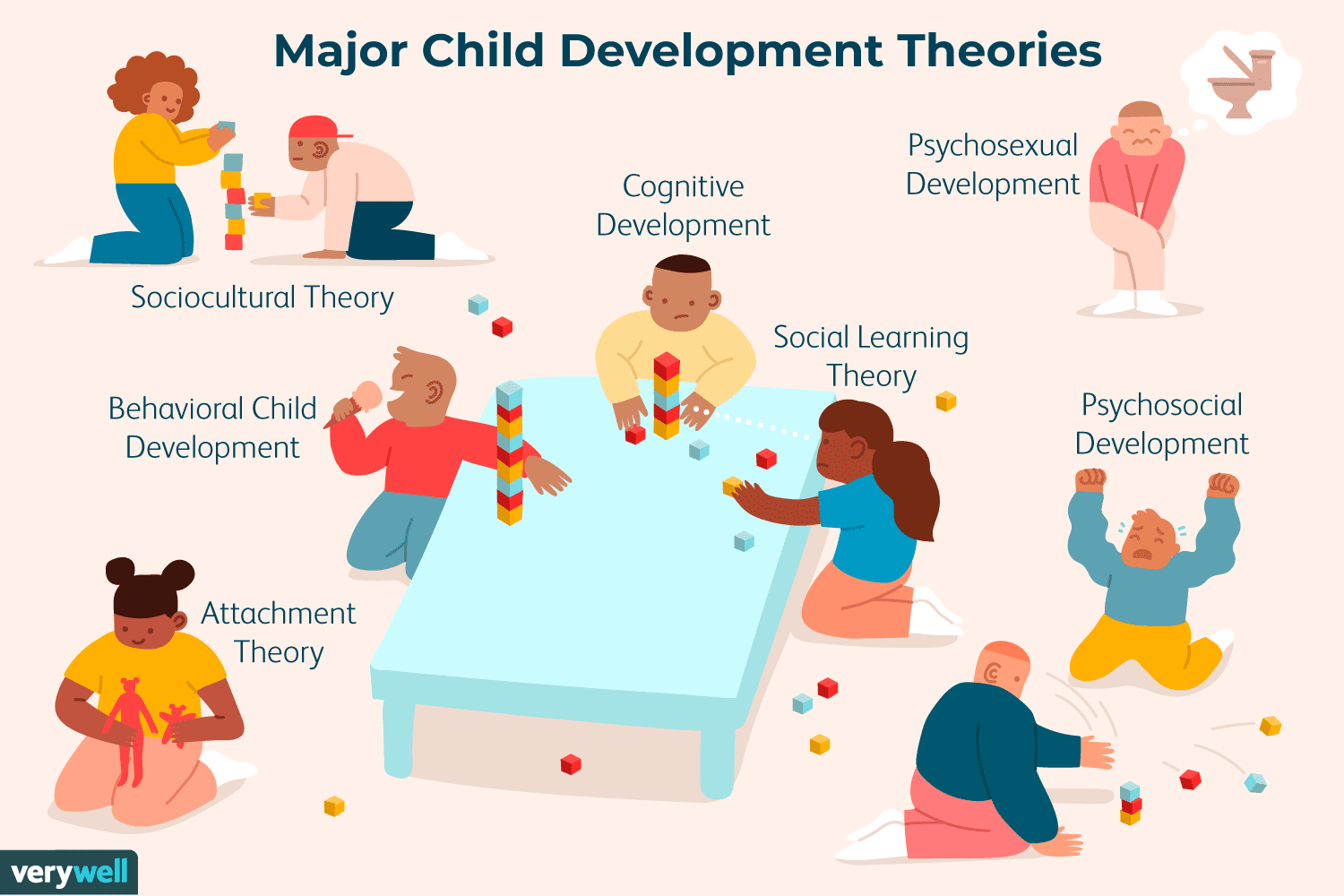
Understanding the theories and processes of development is essential for students and researchers across various disciplines, including psychology, education, sociology, and human growth studies. This guide explores key developmental theories, their processes, and practical implications for learners. At writers24x7.com, we provide expert academic assistance to help you grasp complex concepts like these and apply them effectively in your assignments.
What Is Human Development? Theories and Processes of Development
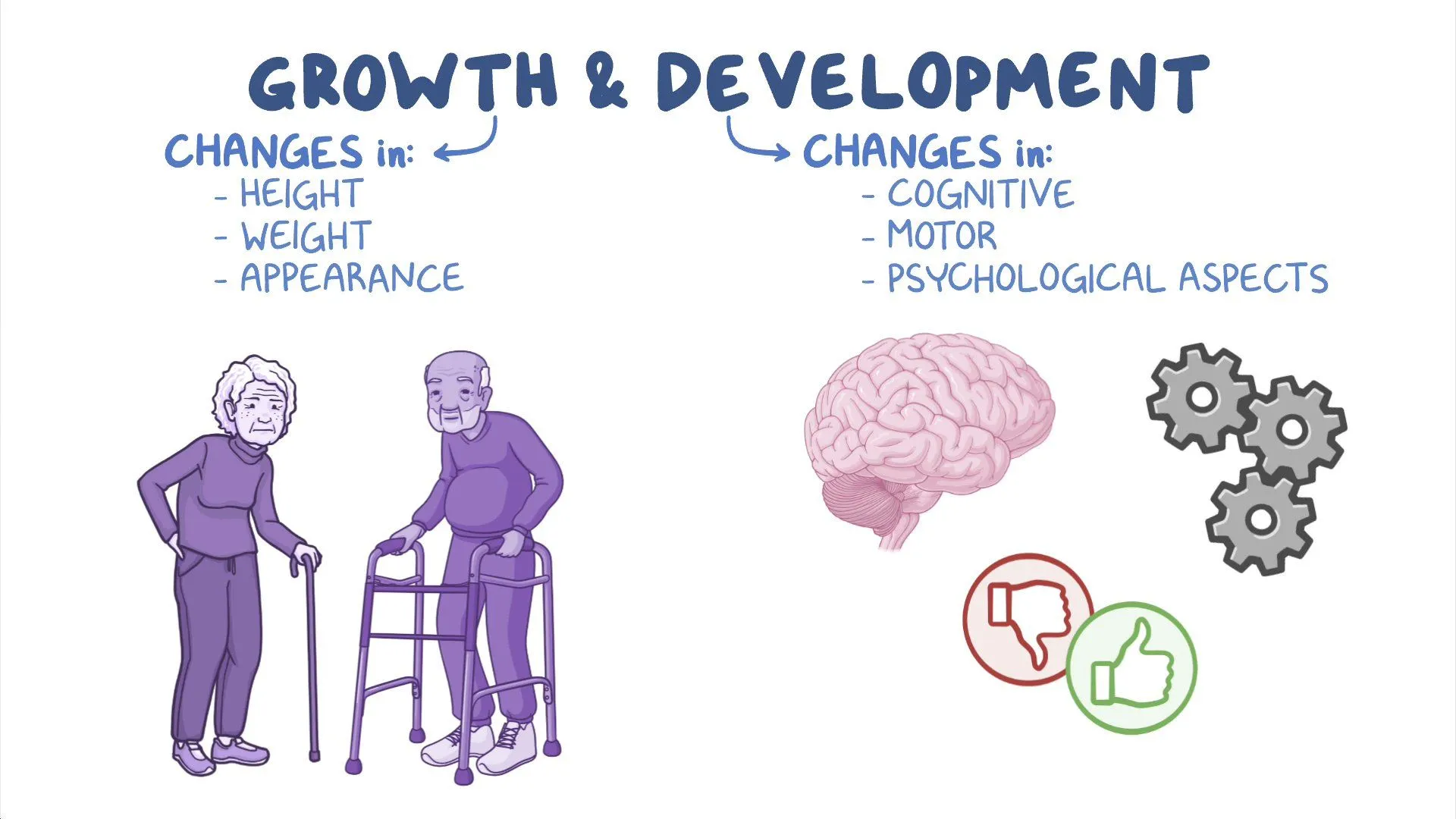
Human development refers to the biological, cognitive, emotional, and social changes that occur throughout a person’s life. Development is sequential, cumulative, and influenced by both internal and external factors. To understand how people grow and change, scholars rely on developmental theories and investigate the processes behind each stage of life.
Key Theories of Development
Theories of development provide frameworks for interpreting human behavior and growth. Below are some of the most influential:
1. Piaget’s Cognitive Development Theory
Jean Piaget emphasized how children actively construct knowledge through interaction with their environment. His theory consists of four stages:
Sensorimotor (0–2 years): Learning through sensory experience and movement.
Preoperational (2–7 years): Developing language and symbolic thinking.
Concrete Operational (7–11 years): Logical reasoning emerges.
Formal Operational (12+ years): Abstract and hypothetical thinking develop.
Piaget’s theory highlights the importance of staged cognitive growth in learning and problem-solving.
2. Erikson’s Psychosocial Development Theory
Erik Erikson proposed eight stages of psychosocial development that span a lifetime. Each stage involves a key conflict that shapes personality:
Trust vs. Mistrust (Infancy)
Autonomy vs. Shame and Doubt (Early Childhood)
Initiative vs. Guilt (Preschool)
Industry vs. Inferiority (School Age)
Identity vs. Role Confusion (Adolescence)
Intimacy vs. Isolation (Young Adult)
Generativity vs. Stagnation (Middle Age)
Integrity vs. Despair (Old Age)
His theory emphasizes the social and emotional aspects of development.
3. Freud’s Psychosexual Theory
Sigmund Freud believed that early childhood experiences shape personality through a series of psychosexual stages:
Oral
Anal
Phallic
Latency
Genital
Although controversial, Freud’s ideas have significantly influenced modern developmental psychology and psychoanalysis.
4. Vygotsky’s Sociocultural Theory
Lev Vygotsky argued that social interaction and cultural tools are fundamental in cognitive development. His concept of the Zone of Proximal Development (ZPD) explains how children learn best when guided by more knowledgeable others.
5. Bronfenbrenner’s Ecological Systems Theory
Urie Bronfenbrenner introduced a multi-layered model that considers various environmental systems influencing development:
Microsystem (family, school)
Mesosystem (connections between microsystems)
Exosystem (indirect environments)
Macrosystem (cultural values)
Chronosystem (time and change)
This theory stresses the importance of context in development.
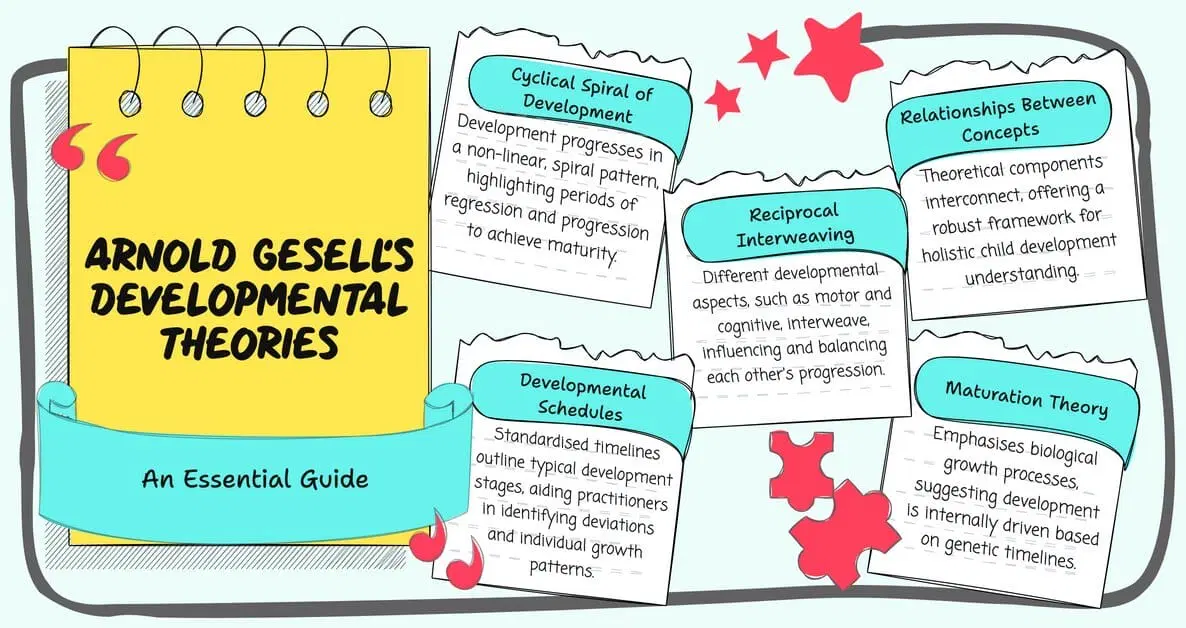
Core Processes of Development: Theories and Processes of Development
Developmental processes refer to mechanisms through which growth and change occur. These processes are interrelated and unfold continuously across the lifespan.
1. Biological Processes
These involve physical changes, such as:
Brain development
Hormonal shifts
Motor skill acquisition
Puberty and aging
2. Cognitive Processes
Cognitive development includes:
Language acquisition
Memory and attention
Problem-solving and reasoning
Learning and intelligence
3. Socioemotional Processes
These pertain to:
Emotional regulation
Relationship building
Self-concept and identity
Social interactions
Understanding these processes helps students analyze case studies, create intervention plans, and write strong academic papers.
Why Understanding Developmental Theories Matters : Theories and Processes of Development
Grasping the theories and processes of development enables students and professionals to:
Anticipate and support developmental milestones
Design effective educational and social programs
Diagnose developmental delays or disorders
Apply theory to real-life situations
Whether you’re studying education, psychology, or child development, these concepts form the foundation of your field.
Common Assignments on Developmental Theories : Theories and Processes of Development
In academic settings, assignments may include:
Case studies: Analyze a child’s development through a specific theory.
Comparative essays: Contrast two or more developmental theories.
Research papers: Investigate how a theory applies to real-world scenarios.
Reflective writing: Discuss personal experiences in the context of developmental stages.
Need help with such assignments? Writers24x7.com offers expert academic support tailored to your coursework.
How Writers24x7.com Can Help You : Theories and Processes of Development
We specialize in:
📘 Custom Essay Writing on developmental topics
🧠 Theory Application to real-life scenarios
📊 Research Support and source gathering
✍️ Editing and Proofreading for clarity and accuracy
📚 APA/MLA/Harvard Referencing for scholarly formatting
Whether you’re struggling with Piaget, Freud, or Vygotsky, our team of academic experts is ready to guide you through every step.
Frequently Asked Questions (FAQs)
Q1: Why are developmental theories important in education?
A: They help educators tailor learning strategies to different age groups, promoting optimal cognitive and emotional growth.
Q2: Can I mix different theories in one assignment?
A: Yes. In fact, comparing theories often strengthens your analysis. Just ensure clarity and coherence.
Q3: What’s the difference between a theory and a process?
A: A theory explains why and how development happens, while a process describes what actually happens during development.
Q4: Where can I get academic help on this topic?
A: Visit Writers24x7.com for custom-written papers, tutoring, and guidance.
Final Thoughts : Theories and Processes of Development
Understanding the theories and processes of development is key to mastering subjects like psychology, sociology, and education. With the right resources and academic help, you can confidently tackle any assignment or exam. For personalized assistance and expertly crafted papers, trust the academic professionals at Writers24x7.com.